
How Does a Transplanter Push Rod Work and Why Is It Essential for Modern Automatic Transplanting
2025-12-26
The Transplanter Push Rod is a small yet mission-critical component inside automatic and semi-automatic transplanting machines. It directly determines whether seedlings are released smoothly, planted accurately, and protected from mechanical damage. In this in-depth guide, I will explain how a transplanter push rod works, why it plays such an essential role in modern agricultural mechanization, and how to choose the right design for long-term productivity.
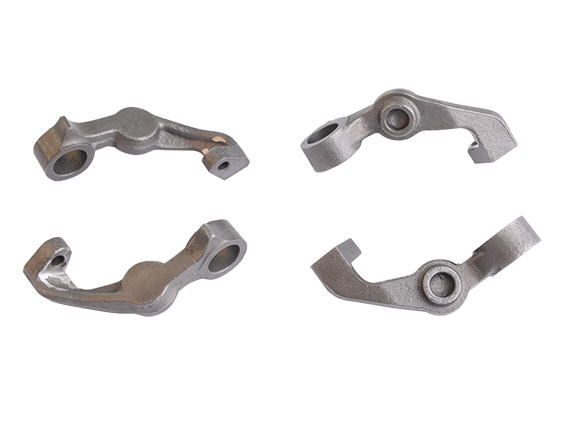
Table of Contents
- What Is a Transplanter Push Rod?
- How Does a Transplanter Push Rod Work?
- Why Is the Transplanter Push Rod So Important?
- Structural Design and Key Components
- Materials Used in Transplanter Push Rod Manufacturing
- How Push Rod Performance Affects Planting Quality
- Manual vs Automatic Transplanter Push Rod Systems
- How to Choose the Right Transplanter Push Rod
- Maintenance and Service Life Optimization
- Frequently Asked Questions (FAQ)
1. What Is a Transplanter Push Rod?
A Transplanter Push Rod is a precision mechanical component installed in vegetable, flower, and crop transplanting machines. Its primary function is to push seedlings out of trays or cups and guide them into the soil at the correct timing and depth.
Unlike simple mechanical levers, the push rod must operate with millimeter-level accuracy. Any deviation in stroke length, speed, or alignment can lead to seedling breakage, missed planting, or inconsistent row spacing.
According to the design principles outlined by manufacturers such as Zhongxunda transplanter push rod solutions, modern push rods are engineered to synchronize perfectly with clamping mechanisms, planting arms, and soil openers.
2. How Does a Transplanter Push Rod Work?
The working principle of a transplanter push rod is straightforward in concept but demanding in execution. During each planting cycle, the push rod moves vertically or diagonally to apply controlled force to the seedling plug.
- It aligns with the seedling cell or pot.
- It applies uniform pressure to release the seedling.
- It retracts immediately to prepare for the next cycle.
In automatic transplanting systems, the push rod is usually driven by cams, servo motors, or pneumatic cylinders. Precise timing ensures that seedlings are released only when the soil cavity is ready to receive them.
3. Why Is the Transplanter Push Rod So Important?
Many farmers and equipment buyers focus on the overall machine size or planting speed, but the reality is that the Transplanter Push Rod largely determines planting success.
| Factor | Impact of Push Rod Performance |
|---|---|
| Seedling Survival Rate | Gentle, consistent force reduces root damage |
| Planting Accuracy | Stable stroke ensures uniform depth |
| Machine Efficiency | Smooth operation minimizes downtime |
| Maintenance Cost | Durable rods reduce replacement frequency |
4. Structural Design and Key Components
A typical transplanter push rod consists of several integrated parts:
- Rod body (main load-bearing structure)
- Guide sleeve or bushing
- Return spring or actuator interface
- End tip designed for seedling contact
Each element must be engineered for alignment, wear resistance, and ease of replacement.
5. Materials Used in Transplanter Push Rod Manufacturing
Material selection directly affects durability and planting stability. High-quality manufacturers such as Zhongxunda often use:
- Stainless steel for corrosion resistance
- High-strength alloy steel for long service life
- Engineering plastics for lightweight applications
6. How Push Rod Performance Affects Planting Quality
In real-world field operations, even slight inconsistencies in push rod motion can result in:
- Uneven plant height
- Reduced root establishment
- Lower overall crop yield
That is why precision-machined transplanter push rods are increasingly preferred in commercial-scale farming.
7. Manual vs Automatic Transplanter Push Rod Systems
Manual systems rely heavily on operator skill, while automatic systems integrate push rods into synchronized planting cycles.
| Type | Advantages | Limitations |
|---|---|---|
| Manual | Low cost, simple design | Lower consistency |
| Automatic | High efficiency, uniform planting | Higher initial investment |
8. How to Choose the Right Transplanter Push Rod
When selecting a transplanter push rod, I recommend evaluating:
- Compatibility with your transplanter model
- Crop type and tray specifications
- Material durability and finish quality
- Supplier manufacturing experience
9. Maintenance and Service Life Optimization
Regular inspection, proper lubrication, and timely replacement of worn components can extend the service life of a transplanter push rod by several seasons.
10. Frequently Asked Questions (FAQ)
Q1: How often should a transplanter push rod be replaced?
Replacement depends on usage intensity, material quality, and maintenance frequency.
Q2: Can one push rod fit multiple transplanter models?
Generally no. Push rods are often customized for specific machines.
Q3: Does push rod design affect different crops?
Yes. Soft seedlings require different force and tip geometry compared to woody plants.
Conclusion
The Transplanter Push Rod may appear to be a minor component, but its impact on planting accuracy, seedling survival, and overall efficiency is significant. Choosing a well-designed push rod from an experienced manufacturer like Zhongxunda is an investment in long-term agricultural productivity.
If you are looking to upgrade your transplanting equipment or need customized push rod solutions, we invite you to contact us today to discuss your specific application and production needs.
Previous:NO


X
We use cookies to offer you a better browsing experience, analyze site traffic and personalize content. By using this site, you agree to our use of cookies.
Privacy Policy